Mutual Consent Divorce in India —
Handled Online, Start to Decree
Have you both decided to part ways amicably? Our experienced mutual divorce lawyers handle the entire process seamlessly online — from drafting petitions and managing paperwork to court filings and delivering the final decree. Start your stress-free journey today for just ₹999.
Verification Details
Please provide details to load legal parameters.
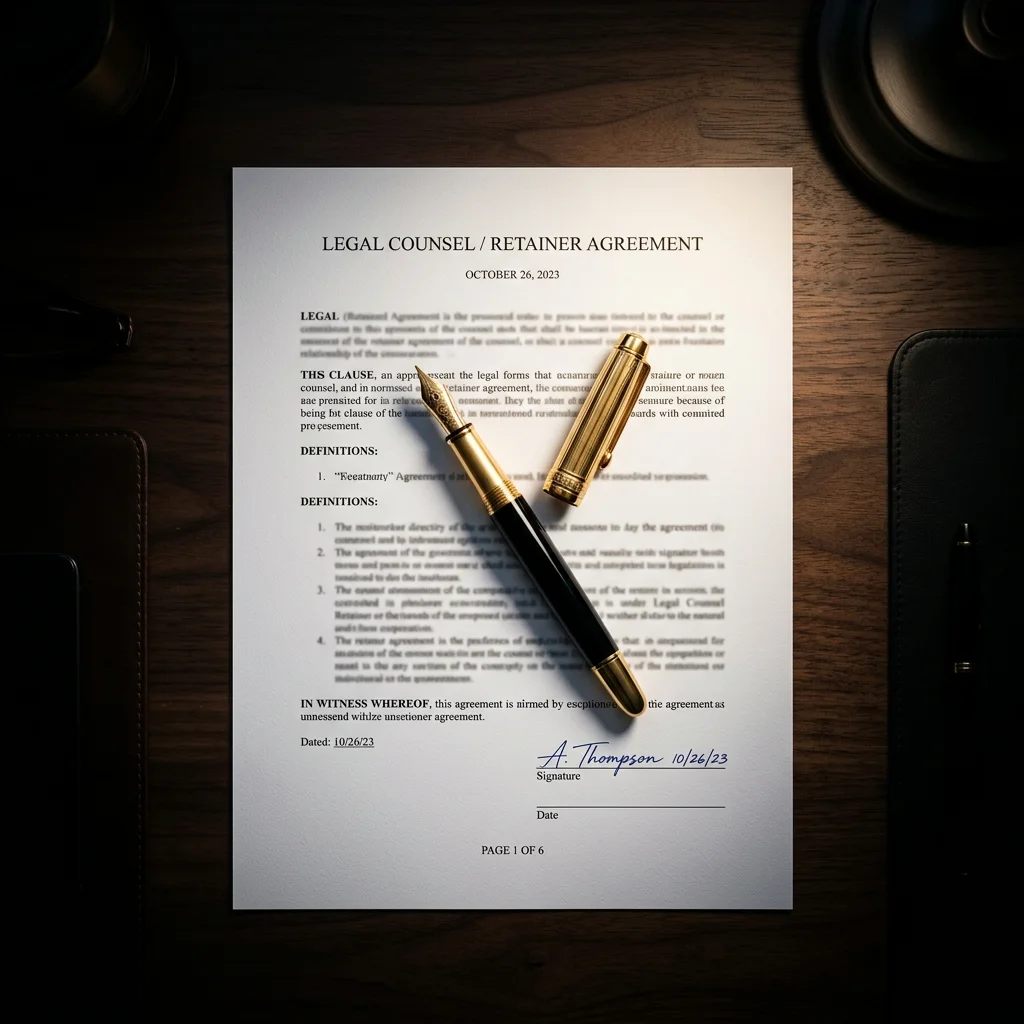
When both have decided — here's how it actually works
Mutual consent divorce is the most dignified way for a married couple to legally separate in India. The law empowers you to do it with clarity, dignity, and without unnecessary delays.
Under Section 13B of the Hindu Marriage Act, a joint petition is filed, and after a mandatory cooling-off period, the court grants a divorce decree.
What makes the process smooth is not just the law — it's the execution. At Mutual Divorce Lawyers, we handle jurisdiction, settlement terms, and court coordination for you.
How to begin?
Connect online. We confirm mutual consent, file the petition, and represent you until the decree is granted.


Why Couple Across
India Trust us for
Mutual Divorce?
We reject the traditional narrative of courtroom battles. Our approach is entirely collaborative—focusing on speed, complete transparency, and mutual respect. We handle the complex legalities seamlessly, allowing both of you to step into your next chapter with dignity.
family law
handled
served
Unified Representation. Single Fee.
Unlike traditional setups where each spouse hires their own lawyer—doubling the cost—our expert team seamlessly represents both of you. You pay a single, transparent fee of ₹34,999. No duplicate charges, and absolutely no conflict of interest.
Milestone-Based Payments
Start your process with a nominal fee of just ₹999. From there, you only pay as we achieve specific milestones—like petition drafting, the First Motion, and the Second Motion. You will never be billed in advance for pending legal work.
Court Visits Only When Necessary
We remotely manage all the legal paperwork and petition drafting on your behalf. A dedicated local lawyer steps in only when your case is fully prepared for court—saving you from unnecessary hearings and premature visits.
Seamless Process Across Cities & Borders
Whether one spouse is in Delhi and the other in Pune, or even living abroad, distance is no barrier. We independently verify consent and handle all documentation digitally, ensuring a smooth process no matter where you reside.
Accelerated Case Timelines
With over 8 years of specialized experience, we navigate the legal system efficiently. We know which courts are faster, exactly when to pursue a cooling-off waiver, and how to prevent paperwork delays. We deliver results swiftly, letting our timelines speak for our expertise.

Know your rights.
Make informed decisions.
Not sure if you qualify?
Get instant answers, free of cost, with absolutely no registration needed.
Start Free Eligibility Check
Fees for Mutual
Divorce in India
A flat all-inclusive fee of ₹34,999 — covering everything from documentation and petition drafting to court representation and decree delivery. Paid in four stages as your case moves forward, so you're never paying for work that hasn't happened yet.
No hidden charges. No separate court fees.
We represent both husband and wife within this single fee.
Fill out our online divorce form. We email both spouses to independently verify mutual consent before anything proceeds.
Document review, jurisdiction check, settlement structuring, and joint petition drafting.
Petition filed in the Family Court of your city. Our lawyer represents both spouses at the First Motion hearing.
Second Motion hearing, judge's pronouncement, and certified Divorce Decree delivered to you.
Questions about the fee?
Free consultation, no obligation.
Both Spouses.
No Surprises.
& Secure
Clear Timelines.

How it actually works
We first check legal conditions, then prepare the joint petition, affidavit and settlement terms to avoid delays.
Online Intake
Complete our secure online intake form before drafting even starts. No unnecessary meetings.
Review Terms
Settlement terms (alimony, assets, child custody) are rigorously checked and agreed upon before court filing.
Clear Clauses
We draft the joint petition and affidavits with clear, ironclad clauses to prevent future disputes.
Court Coordination
Court dates, document verification, and first/second motions are coordinated end-to-end by our team.
Practical Updates
You get practical, actionable updates instead of generic legal theory. You always know what happens next.

What is the difference?
Mutual
Contested
2–7 months (cooling-off waiver possible)
2–7 years depending on complexity
₹34,999 flat — all inclusive, no surprises
₹1 lakh+ often running into several lakhs
Both spouses jointly — by mutual agreement
One spouse files against the other
2 hearings (First & Second Motion)
Multiple hearings spread over months or years
Low — no blame, no public accusations, cooperative process
High — adversarial, allegations placed on court record
Mutual consent + 1 year separation (under Section 13B, HMA)
Must prove cruelty, adultery, desertion, or other legal grounds
Yes — sPOA or video hearing options available
Physical presence often mandatory for multiple dates
Minimal — custody settled amicably, no courtroom conflict
High — custody disputes handled adversarially in open court

Why mutual divorces get delayed
Common pitfalls that turn a 6-month process into a 2-year headache. We map these out and solve them before we even draft the petition.
Settlement not final
Alimony, custody, assets, or pending cases should be 100% settled before filing.
Documents incomplete
ID proofs, marriage proof, photographs, and addresses should be ready and verified together.
Consent changes later
Consent must continue until the second motion; drafting should reduce ambiguity.
Wrong court strategy
Jurisdiction must be decided correctly before drafting, especially for NRI or out-of-state parties.

Frequently Asked Questions
Find quick answers to the most common queries about the mutual divorce process, fees, and timelines.
A Mutual Divorce is a legal process where both husband and wife jointly agree to dissolve their marriage by mutual consent. It is the quickest, most cost-effective, and least adversarial method of obtaining a divorce in India.
You may file for Mutual Divorce if: • Both spouses mutually agree to end the marriage. • You have been living separately for at least one year. • There is no possibility of reconciliation. • Both parties have mutually settled issues relating to alimony, child custody, maintenance, and property.
The timeline depends on the facts of each case and the applicable law. Where the statutory cooling-off period is waived by the Court, a Mutual Divorce may be completed within a few months. In other cases, it may take approximately six months or longer.
Yes. Generally, both spouses are required to remain present before the Family Court for recording their statements. However, in appropriate cases, exemptions or representation through a duly executed Special Power of Attorney (SPoA) may be available, particularly for NRIs and spouses residing abroad.
The petition itself cannot be concluded entirely online. However, consultations, document preparation, verification, settlement drafting, and much of the legal process can be handled remotely before the scheduled court appearances.
Commonly required documents include: • Marriage Certificate (if available) • Wedding photographs • Identity and address proof of both spouses • Passport-sized photographs • Proof of separate residence (where applicable) • Income documents (if relevant) • Settlement agreement • Child-related documents (if applicable) Additional documents may be required depending on the facts of your case.
Yes. Both spouses are free to mutually agree upon permanent alimony, one-time settlement, monthly maintenance, or waive maintenance altogether, subject to the Court being satisfied that the settlement is fair and voluntary.
Parents can mutually decide custody, visitation rights, education expenses, and maintenance of their children. The Court generally approves such arrangements if they serve the welfare and best interests of the child.
Yes. Spouses may mutually settle ownership and distribution of movable and immovable assets, bank accounts, investments, and other financial matters. Such terms are incorporated into the settlement agreement.
Generally, a divorce petition cannot be presented within one year of marriage unless exceptional circumstances exist and the Court grants permission under the applicable law.
Yes. Subject to the applicable law and Court approval, parties often agree upon the withdrawal, quashing, or settlement of pending matrimonial disputes as part of a comprehensive settlement.
Court proceedings are conducted in accordance with law. Professional lawyers maintain strict confidentiality regarding client communications, documents, and settlement discussions.
Experienced lawyers ensure accurate drafting, legally enforceable settlement terms, proper documentation, efficient case management, and minimal delays, helping you complete the process smoothly while protecting your legal rights.
Your eligibility assessment and enquiry submissions are securely stored and used solely for legal consultation, case evaluation and follow up in accordance with our Privacy Policy.